Why Your Shower Drain Still Smells After Cleaning
Shower still smells after cleaning? Learn what’s really causing the odor, what you can fix yourself, and when you need the line cleaned all the way to the street.
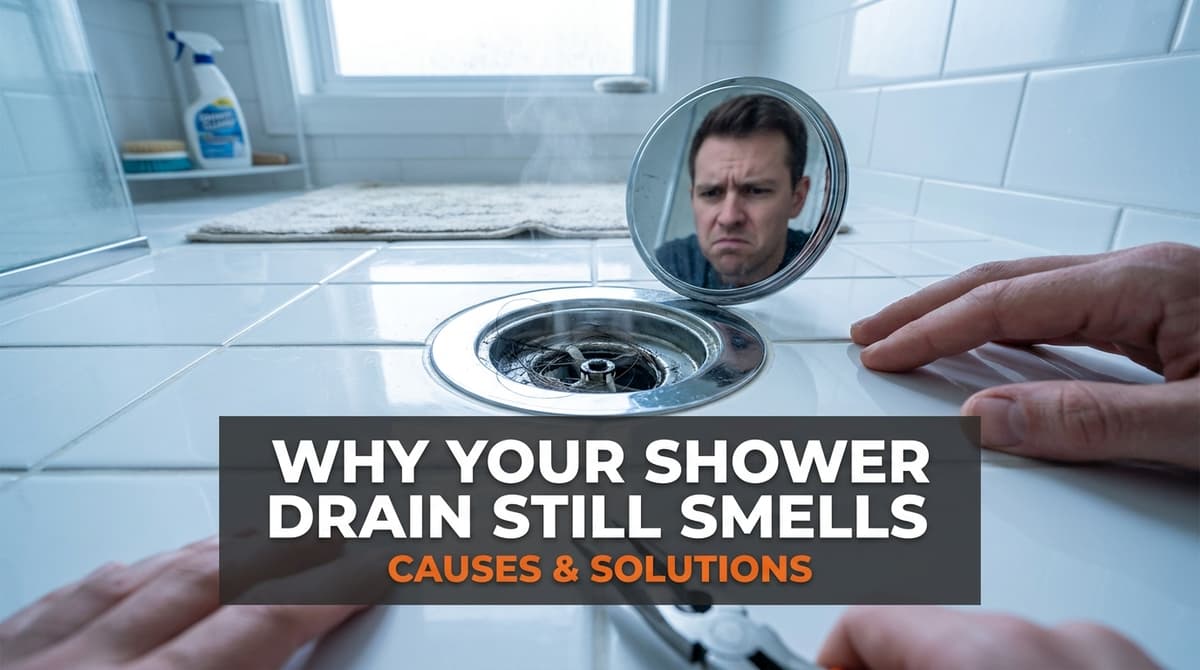
Why Your Shower Drain Still Smells After Cleaning
We recently got a call from a homeowner — let’s call him Mark — who was more than a little frustrated. He told us, “I already had the first part of my shower drain cleaned, but they only went about five feet. It still smells. I want it cleaned from the shower all the way to the street.”
We hear some version of Mark’s story a lot here in Las Vegas. You scrub the shower, run hot water, maybe pour in a drain cleaner, and that sour, sewer-like odor just keeps creeping back. It’s annoying, and it can be a sign of a bigger plumbing issue.
In this post, I’ll walk you through the most common reasons a shower drain still smells after cleaning, what you can safely try on your own, and when it’s time to have the line checked all the way out toward the street.
Surface Cleaning vs. Real Drain Cleaning
When Mark said he’d “already had it cleaned,” our first question was what exactly had been done. Often, the first visit only addresses the drain right under the shower — maybe the trap area — but doesn’t reach deeper into the line.
Think of your plumbing like a freeway system:
- The shower drain and trap are the on-ramp.
- The branch line under your bathroom is like the local streets.
- The main sewer line running toward the street is the freeway.
If you only clean the “on-ramp,” but the problem is sitting out on the local streets or the freeway, the odor can travel right back up into your shower.
Common Causes of a Smelly Shower Drain
1. Gunk Buildup in the Trap
Just under your shower is a P-trap that holds water to block sewer gas. Hair, soap scum, and body oils love to collect here. Even if the visible part of the drain looks clean, the inner walls of the trap may still be coated with buildup that smells when water runs over it.
This is usually a local odor, not a whole-house sewer smell. If it’s worst right at the shower and nowhere else, the trap is a good suspect.
2. A Dry or Poorly Functioning Trap
If that P-trap dries out — maybe the shower isn’t used often, or there’s a slow leak — the water barrier disappears and sewer gas can come straight up the pipe. This can smell like rotten eggs, sulfur, or just a strong sewage odor.
We see this a lot in guest bathrooms or casitas here in Vegas that sit unused for weeks or months.
3. Biofilm and Bacteria in the Drain Line
Even beyond the trap, organic buildup can line the inside of your drain pipes. Over time, that slime layer (we call it biofilm) starts to smell. A quick five-foot cleaning may knock out a little of it, but if the line further down is still coated, odors can linger.
4. Venting Problems or Deeper Sewer Issues
Every plumbing system needs proper venting to let air in and sewer gas out through the roof vents. If those vents are blocked or undersized — or if there’s a partial clog in the main line — sewer gas may look for the easiest exit point, which can be your shower drain.
When the odor seems to affect more than one fixture, or you notice gurgling toilets and slow drains along with the smell, we start looking beyond the shower and toward the larger system.
When You Need Cleaning All the Way to the Street
Back to Mark’s question: “Can you clean it from the shower to the street?” In practical terms, that usually means running professional equipment from the shower (or a cleanout) all the way down the line toward the main sewer connection.
We typically recommend a full line cleaning in situations like these:
- Multiple bathroom fixtures have recurring odors or slow drainage.
- You’ve already tried basic cleaning at the drain and trap with no lasting improvement.
- There’s a history of roots, heavy buildup, or older cast-iron piping.
- You get periodic backups in tubs or showers when you use the washing machine or flush toilets.
In those cases, just snaking a few feet at the shower is like dusting the front step while the rest of the sidewalk is still a mess.
DIY Steps You Can Safely Try First
Before you schedule a full drain and sewer cleaning, there are a few simple things you can do yourself:
- Flush the trap with hot water: Run the hottest water you can safely use for several minutes to help dissolve soap scum and loosen light buildup.
- Clean the drain cover and visible walls: Remove the drain cover, pull out any hair, and scrub the area with a long brush and a mild cleaner.
- Use a plastic drain tool: Those inexpensive, barbed plastic strips can pull out surprising amounts of hair without damaging pipes.
- Re-fill a dry trap: If the shower isn’t used often, run water for a minute, then pour a cup of mineral oil down the drain to slow evaporation.
We do not recommend pouring harsh chemical drain cleaners down repeatedly. They can damage older pipes, especially if there’s already a partial blockage, and they rarely fix deeper issues.
How to Tell Shower Odors from Bigger Sewer Problems
Homeowners often ask us how to know if it’s “just the shower” or a sewer line problem. Here are some clues:
- Likely shower-only issue: Odor is strongest right at one drain, no gurgling toilets, other drains are normal, and smell fades after running water for a while.
- Likely main line/vent issue: Odors in multiple rooms, gurgling in sinks or toilets, slow drains across the house, or occasional backups when using other fixtures.
If you’re seeing those system-wide symptoms along with the smell, a camera inspection and cleaning out toward the street is usually the smartest next step.
How Often Should You Clean Your Drains?
In a typical Las Vegas home with standard use, we usually suggest:
- Every 1–2 years: Preventative cleaning of main sewer line if you’ve had issues in the past or have an older home.
- As needed: Shower drain and trap cleaning when you notice slow drainage, frequent clogs, or recurring odors.
Homes with lots of long hair, hard water buildup, or older pipes may benefit from more frequent maintenance. It’s almost always cheaper to maintain lines proactively than to wait for a full backup.
When to Call a Professional
If you’ve tried basic cleaning and the shower drain still smells, it’s time to bring in a licensed plumber. For Mark, we scheduled a window the same day so one of our plumbing managers could inspect the line, check the venting, and give him an honest quote for cleaning the drain all the way out.
A good professional will:
- Ask about all fixtures in the home, not just the shower.
- Inspect traps, vents, and accessible cleanouts.
- Recommend a camera inspection if deeper issues are suspected.
- Explain whether you truly need cleaning all the way to the street or just a localized repair.
If your shower drain odor keeps coming back, don’t ignore it. A bit of investigation now can prevent a major, messy backup later — and make your bathroom smell a whole lot better in the meantime.